Blog
News and updates from PitStop & Go, Fredericton's fastest tire shop.
Can Run-Flat Tires Be Repaired?
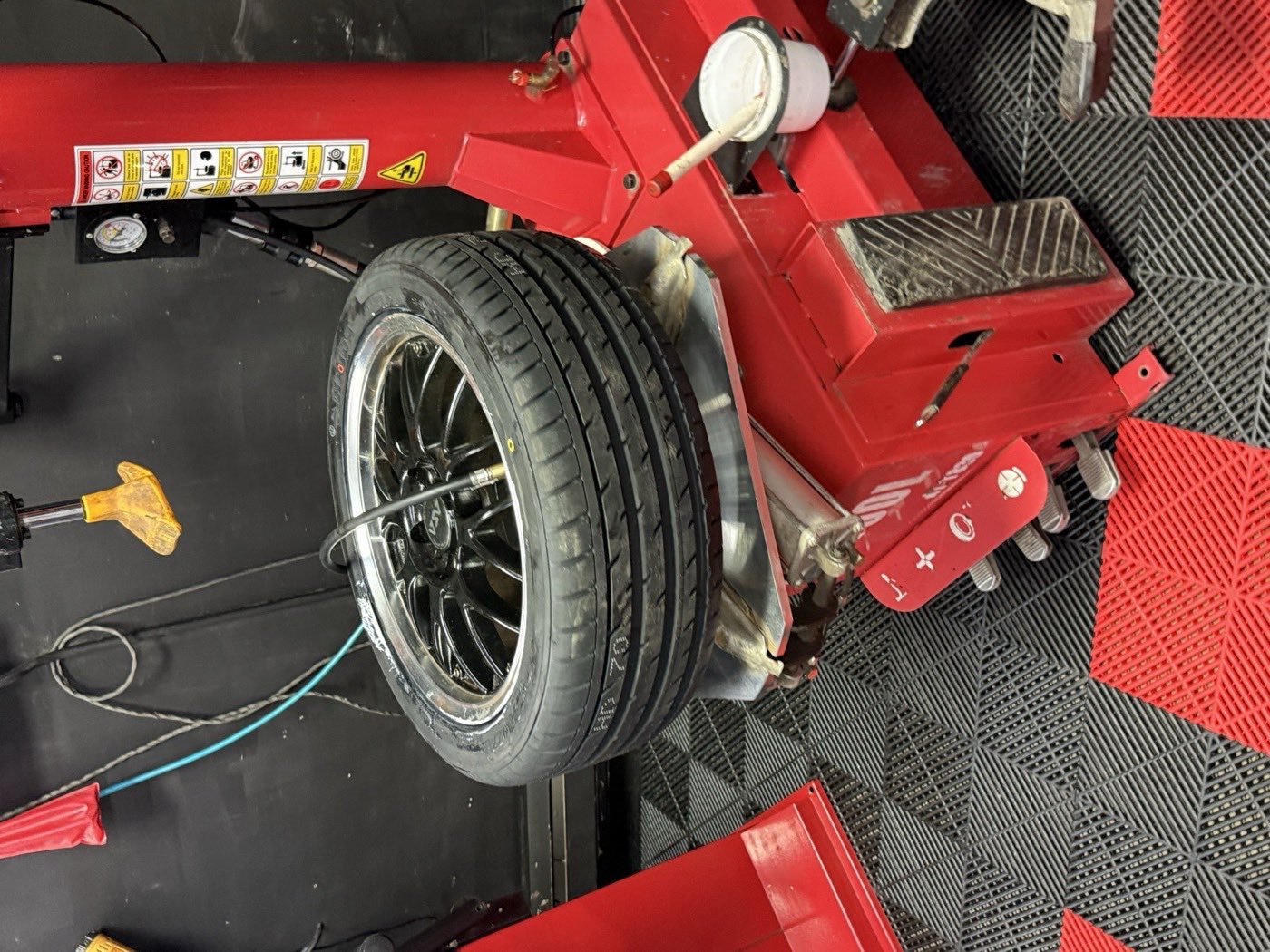
We do not repair run-flat tires. They are built to be driven on briefly after losing air, which means the sidewall may already have been stressed by the time it reaches us, and there is no way to tell from the outside how far it was driven flat.
Read →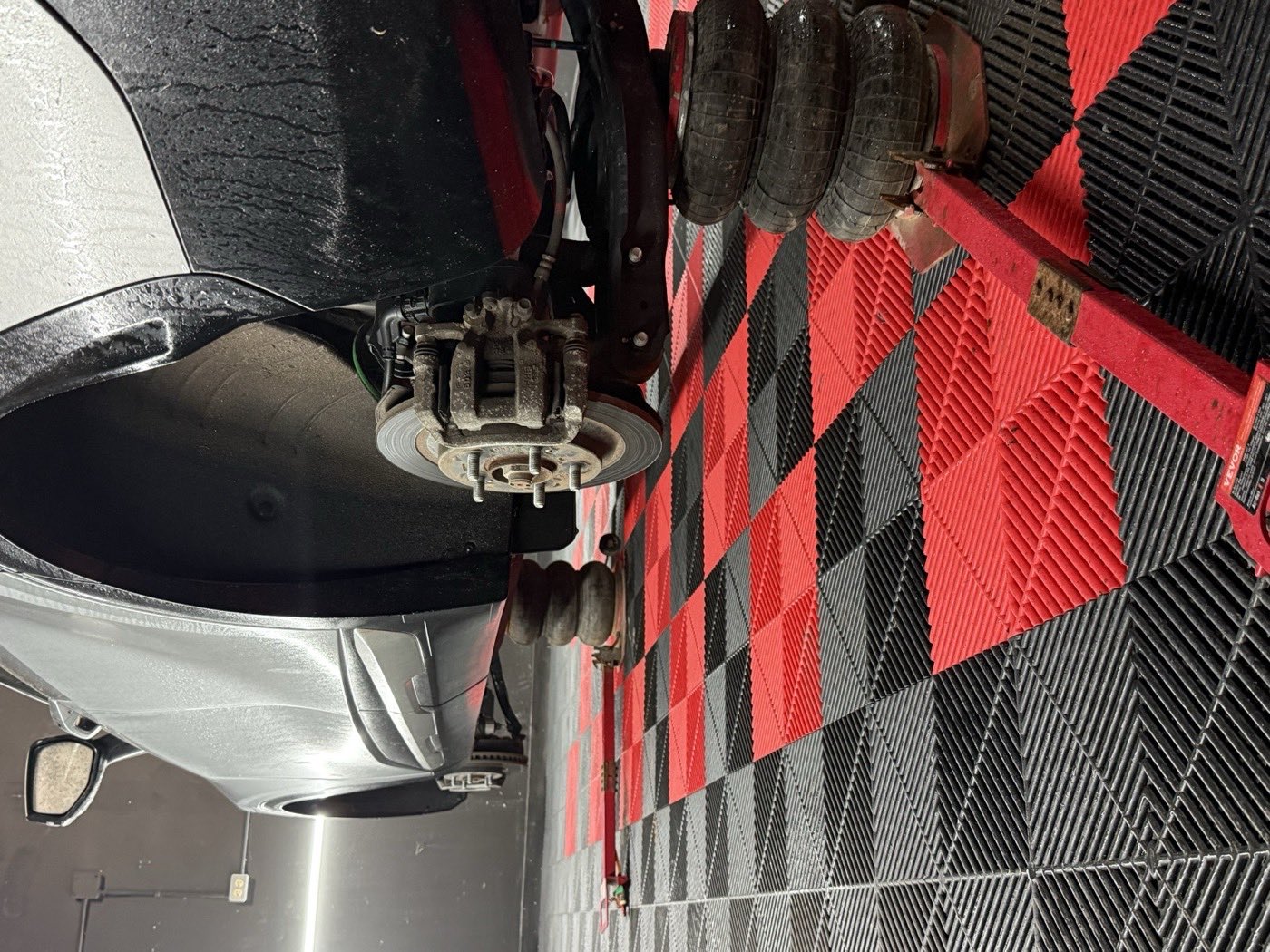
What Happens If a Lug Nut Is Seized or Rounded?
Seized and rounded lug nuts are common, and overtightening is usually why. Removal is a posted $50 per lug nut, and wheel lock removal without the key is the same $50 per lug nut. Before we touch one we tell you there is a risk of damage and you decide whether we proceed.
Read →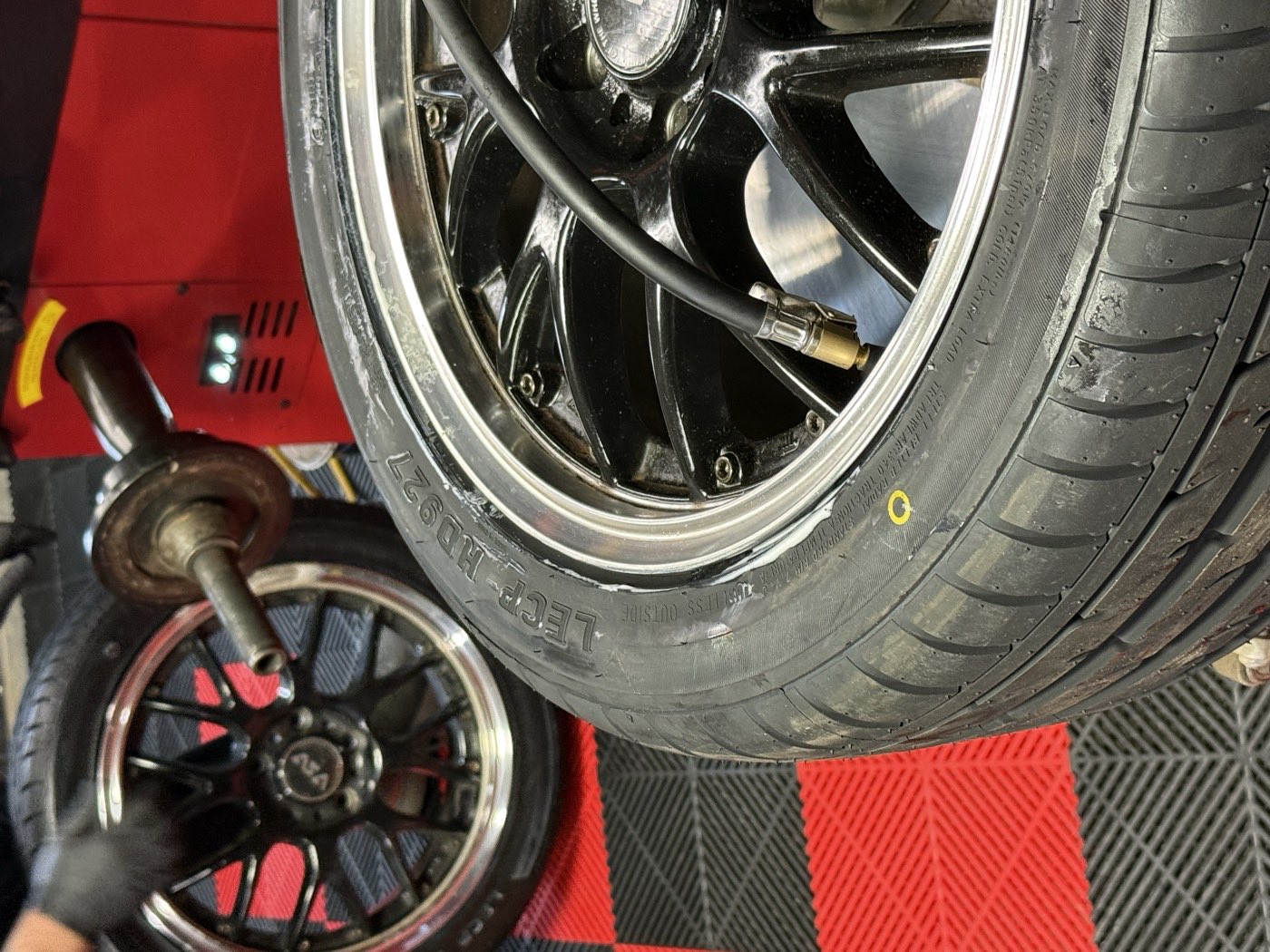
Why Is My Tire Losing Air With No Visible Puncture?
The first thing we check is the valve stem, because a leaking stem looks like nothing at all. After that it is a very small puncture, sidewall damage, or a leak where the tire meets the rim, often caused by corrosion or debris trapped in the bead.
Read →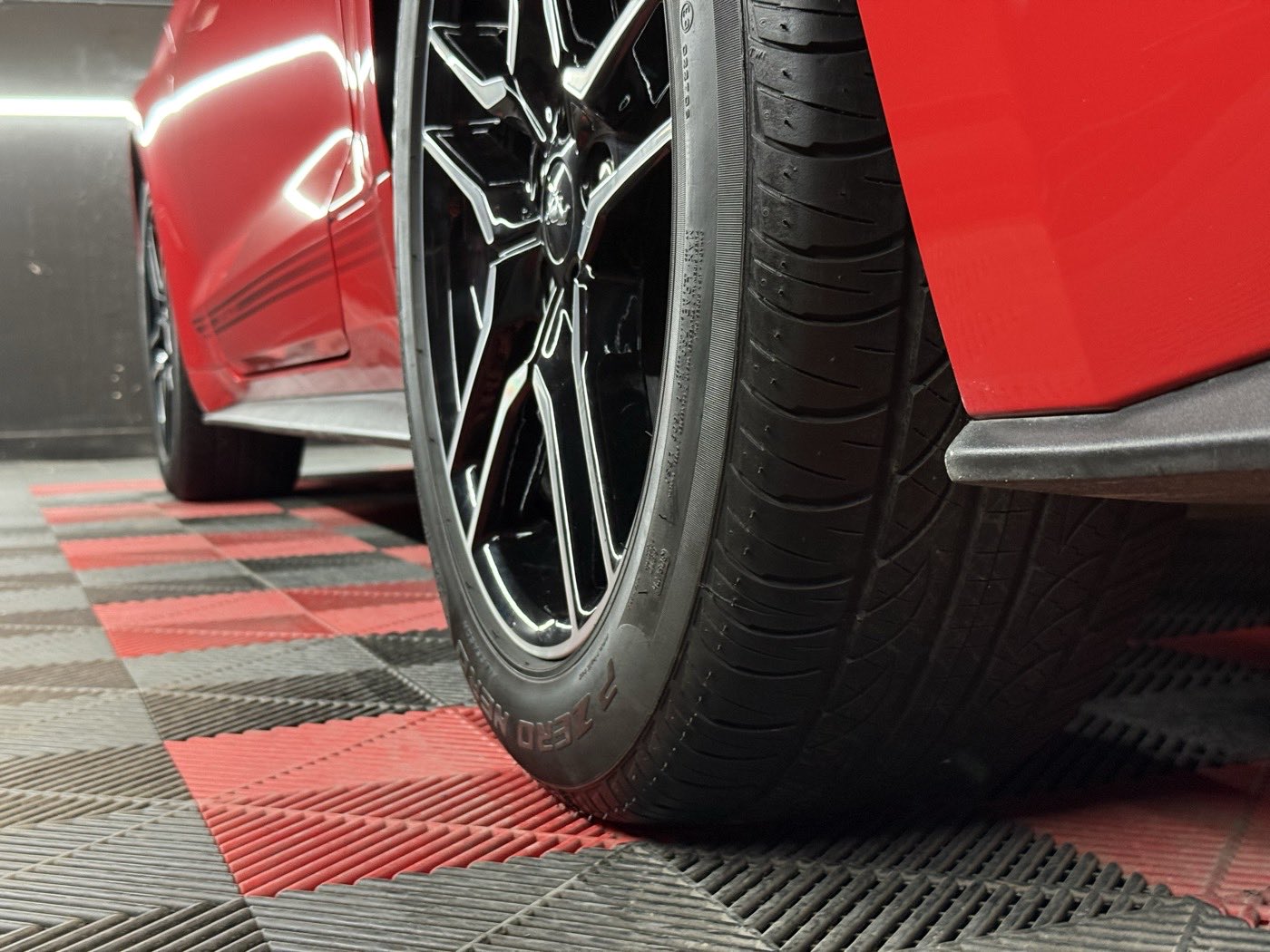
Will My Tires Pass a New Brunswick Inspection?
Your tires need at least 1.6mm of tread in the major grooves, no cord damage or ply separation causing a bump or bulge, and no cut or weather cracking beyond about 2.5cm. The failures we hear about most are bald tires and visibly worn or damaged rubber.
Read →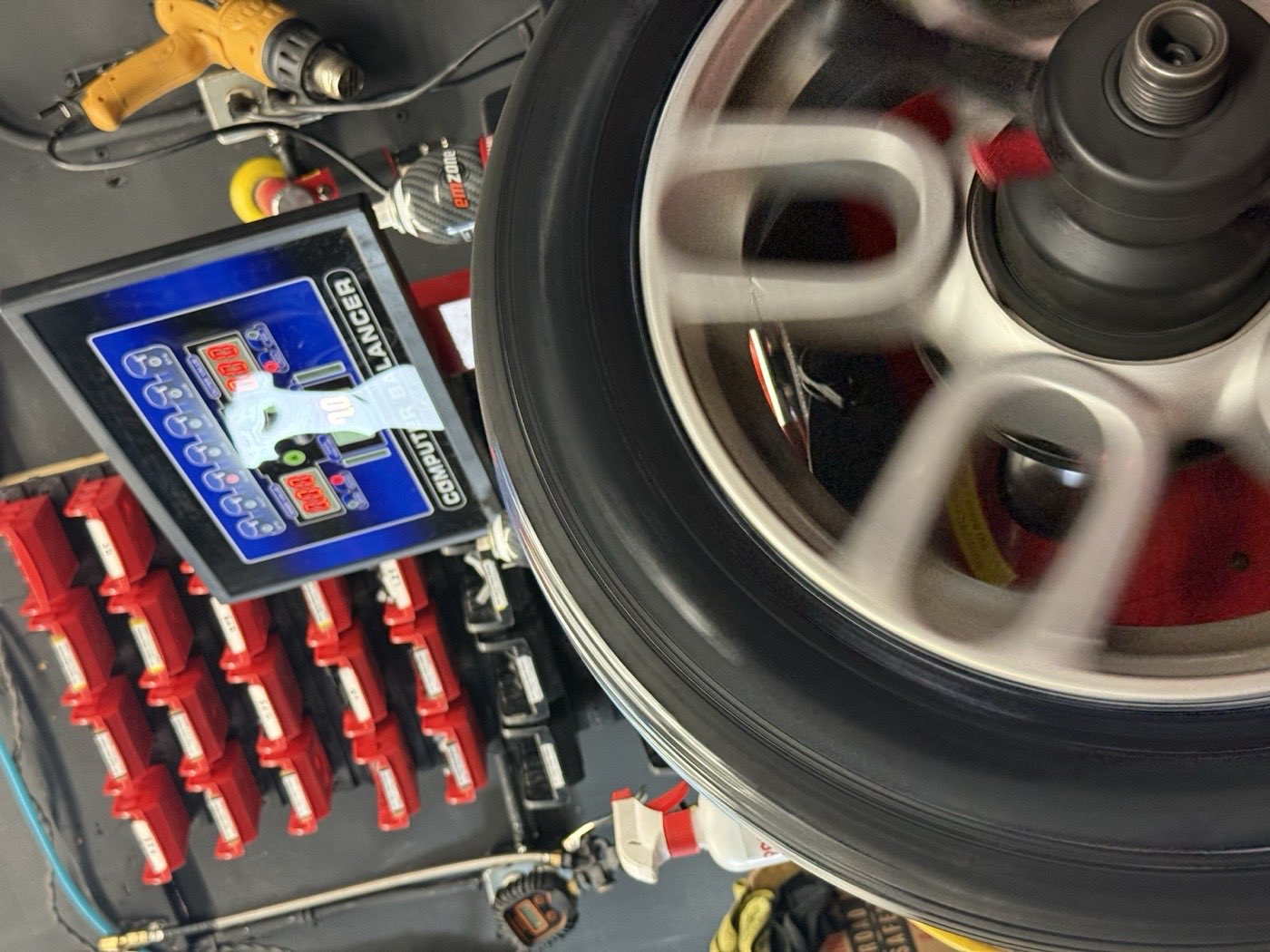
Can You Balance a Bent Rim?
Balancing a bent rim makes it better, not perfect. Balance corrects weight distribution, and a bent wheel is no longer round, which is a different problem. Moving that wheel to a rear position reduces how much you feel it through the steering.
Read →
What Do Different Tire Noises Mean?
A knocking or bumping noise, especially when turning, often means the wheels are not torqued properly and need re-torquing. A constant hum or roar usually means the tread itself, either winter tires run in summer or a tire wearing unevenly.
Read →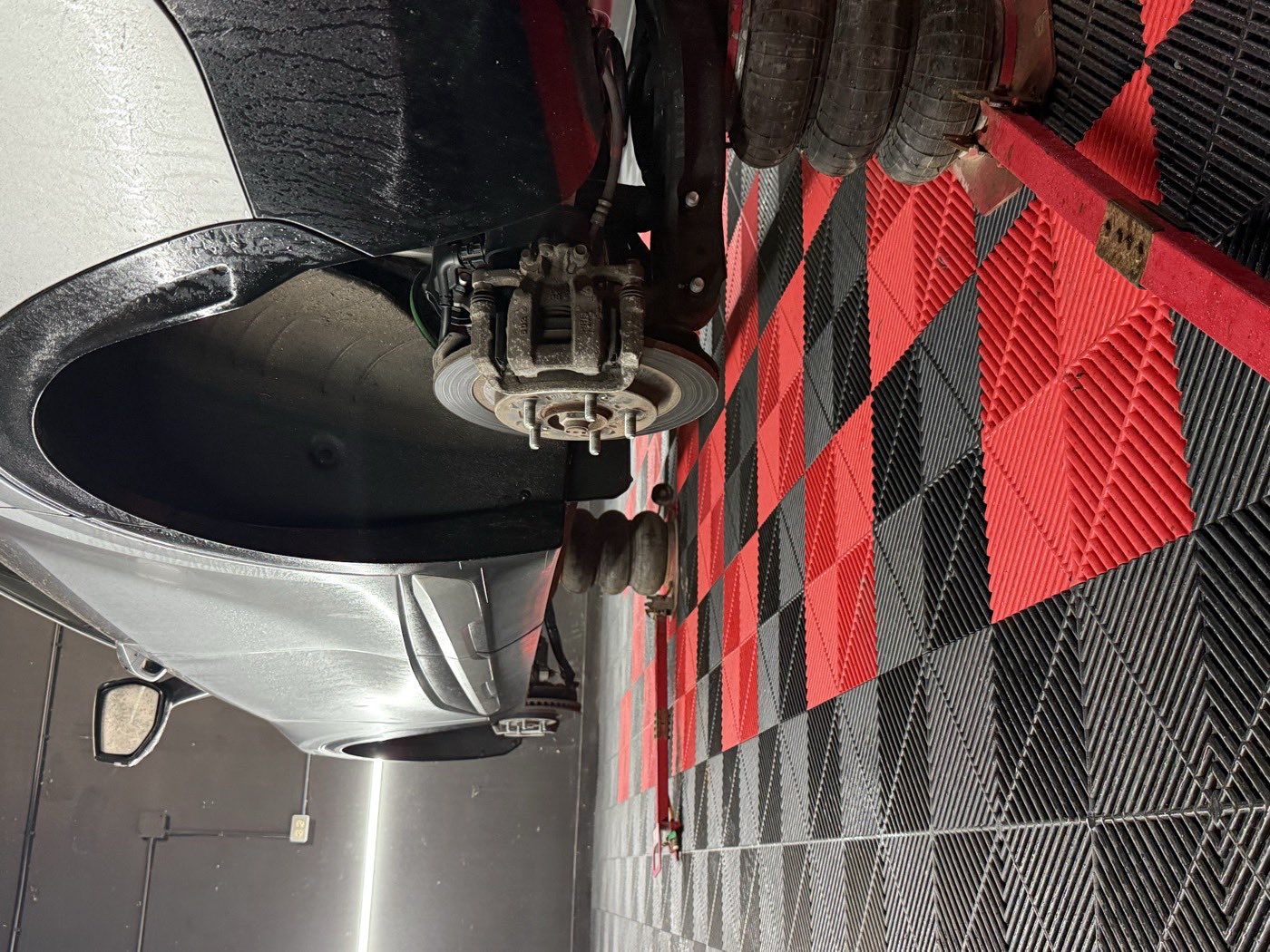
What Causes Uneven Tire Wear?
Where a tire wears tells you why. Wear in the middle means over-inflation, wear on both edges means under-inflation, wear on one edge alone means alignment, and a patchy scalloped pattern means alignment too. Suspension and running the wrong tires for the season also cause it.
Read →
Do I Need an Alignment or a Balance?
Balancing fixes a vibration at speed. Alignment fixes a car that pulls, wanders, or wears its tires unevenly. If the wear is uneven, the alignment gets sorted first, because otherwise the alignment will chew a fresh balance straight back out.
Read →
Why Does My Steering Wheel Shake at Highway Speed?
A shake that only shows up at highway speed is usually tire balance. A shake at every speed points somewhere else, often lug nuts that need re-torquing. Alignment, worn tires, a bent rim, and steering or suspension components can all cause it too.
Read →
What Is Tire Dry Rot and When Is a Tire Too Old?
Dry rot is cracking in the rubber caused by age and bad storage. It shows up as fine cracks between the tread blocks and along the sidewall. Once a tire is dry rotting we recommend replacing it, and past five years old we treat age as the deciding factor regardless of tread.
Read →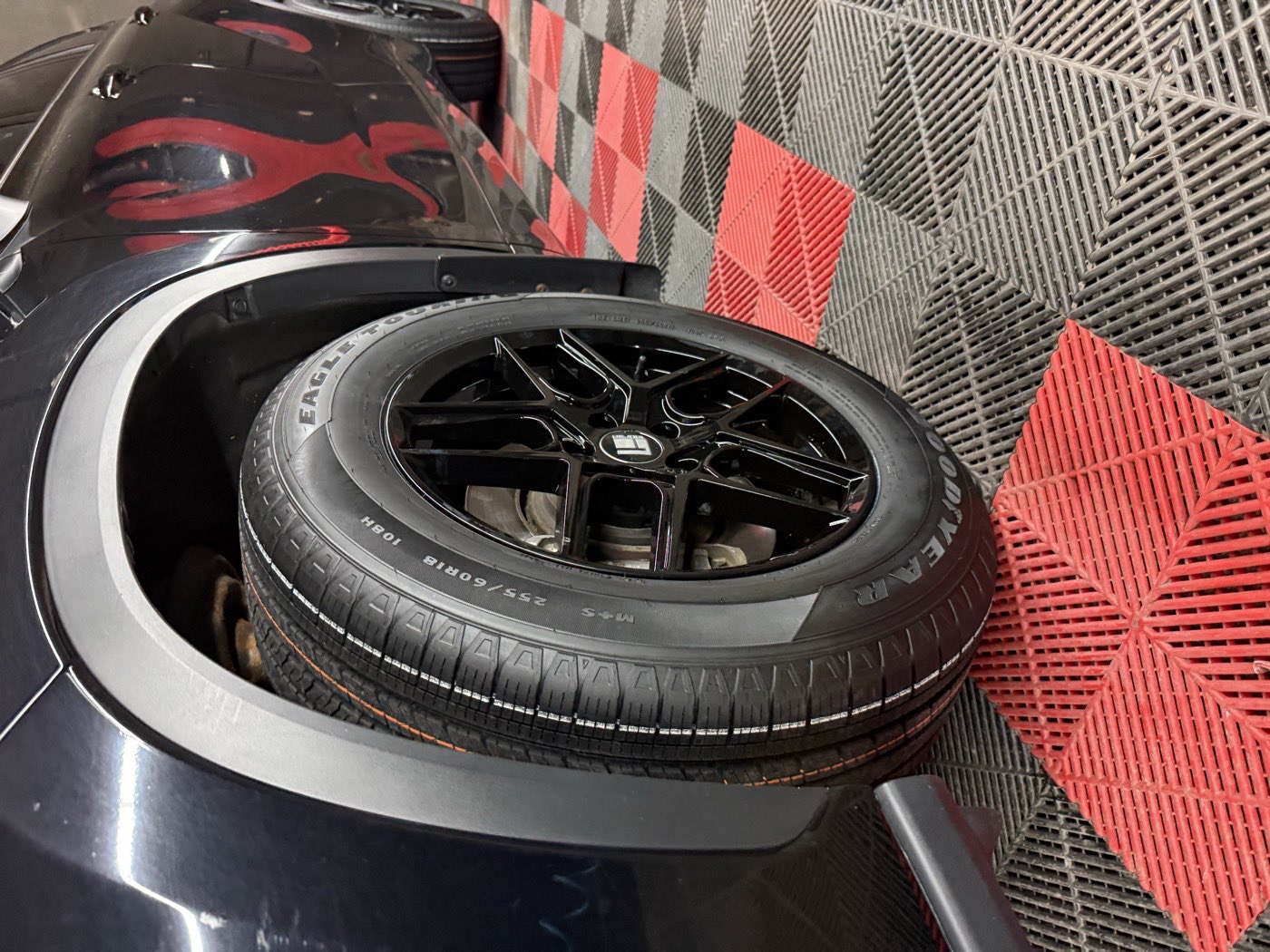
How Do You Find the Right Tire Size Before Buying Online?
Read the size off the tires currently on the car first, then check the sticker inside the driver's door. The door sticker shows the factory size, but if the vehicle has aftermarket rims, the tires on it may be a different size entirely.
Read →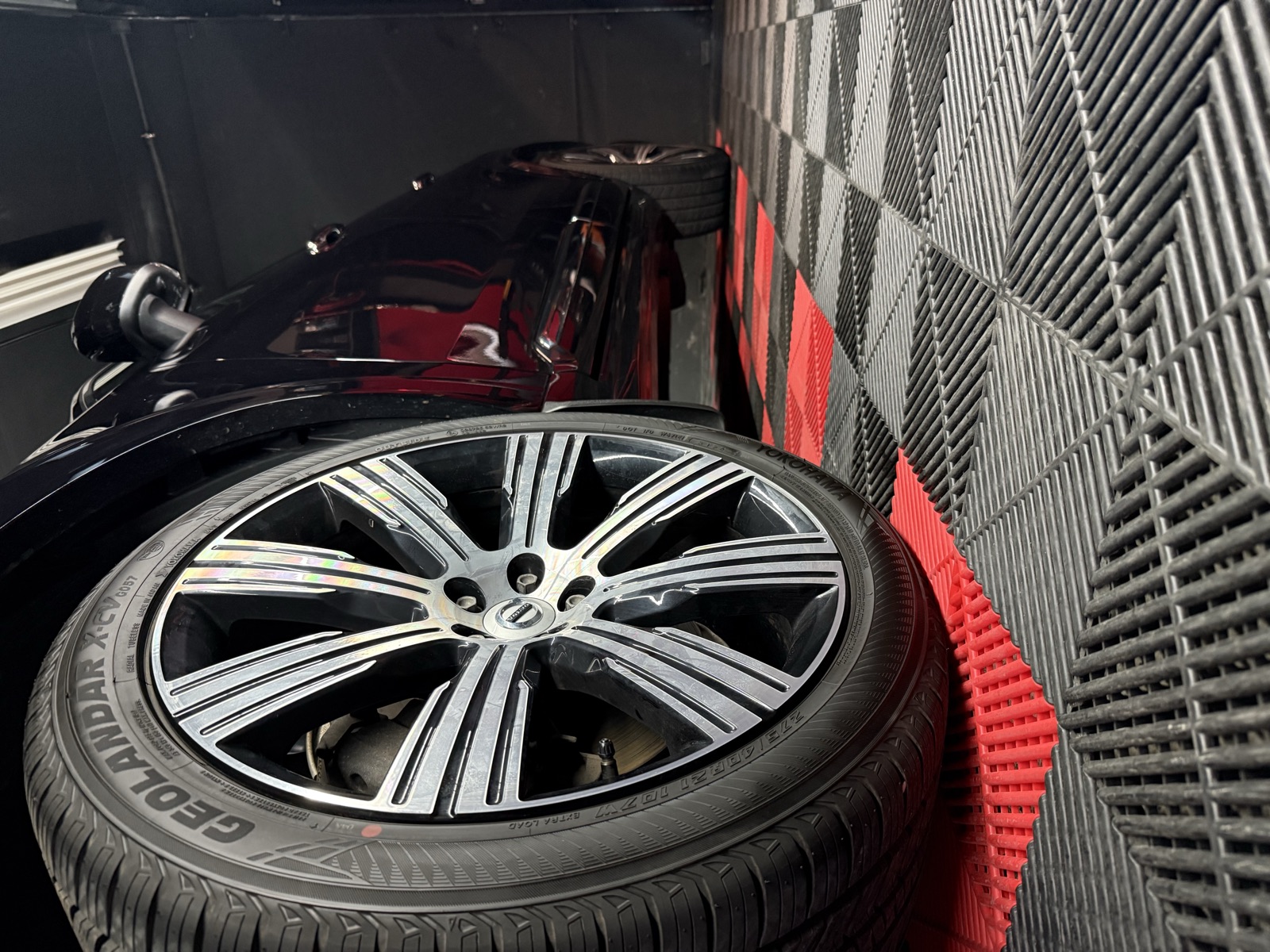
Do AWD Vehicles Need All Four Tires to Match?
Yes. On an all-wheel-drive vehicle all four tires need to be the same make, model, size, and tread depth, because even a small difference changes each tire's rolling diameter. Mismatched tires turn at different speeds, and the drivetrain's centre differential or coupling absorbs that difference every kilometre you drive, whether you notice it or not.
Read →
How Do You Know When Winter Tires Are Worn Out?
A winter tire stops working as a winter tire long before it hits the legal 1.6mm limit. Check tread depth on all four, check the inside edge by hand, and check the build date on the sidewall. Past five years old, age matters more than tread.
Read →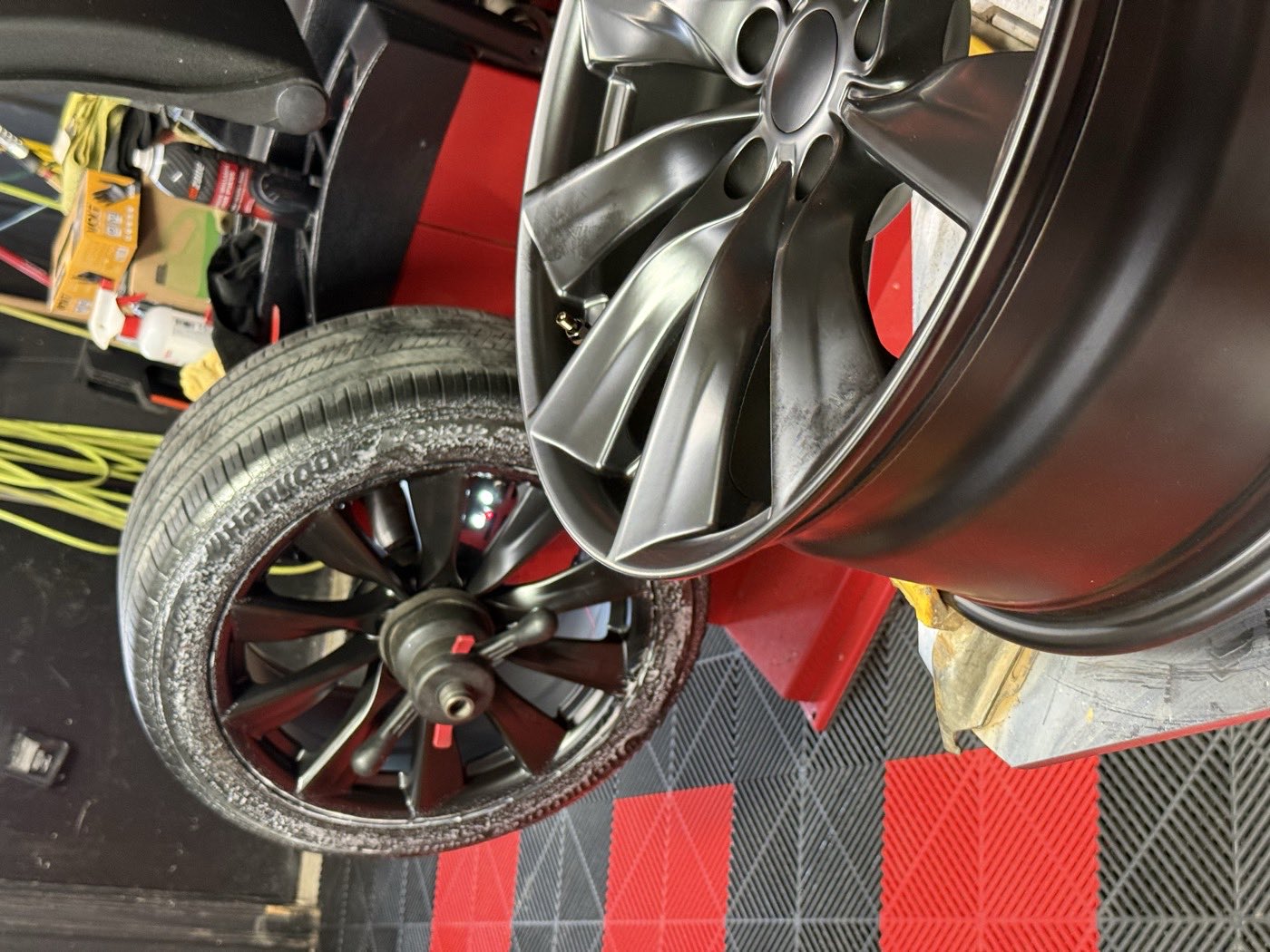
Steel or Alloy Rims for Winter in New Brunswick?
Most drivers run steel for winter. Steel holds up to salt and road debris, and it costs less than alloy, so a second set is easier to justify. Alloy works fine too. The practical argument for steel is that winter rims spend the season covered in salt where nobody sees them.
Read →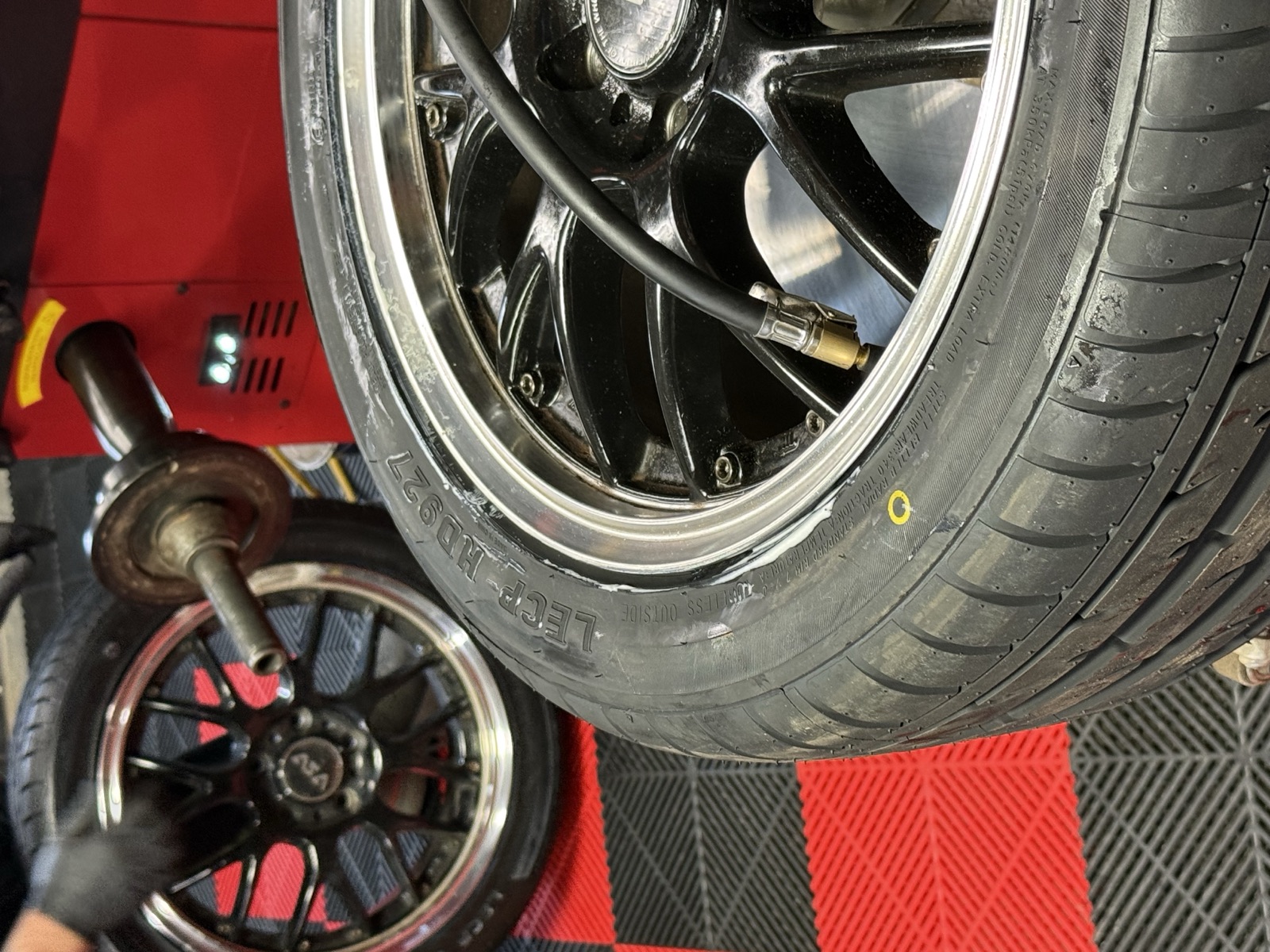
Is a Second Set of Winter Rims Worth It?
Yes, for most drivers who change tires twice a year. A second set of rims means your winter tires stay mounted, so each changeover is a wheel swap instead of a tire change. That is faster, costs less every season, and the savings compound year after year.
Read →
How Much Does a Winter Tire Changeover Cost in Fredericton?
A full set of four off the rims starts at $70 for a small car and $90 for an SUV or minivan, pre-tax. If your winter set is already on its own rims, a full swap starts at $35. Mounting, balancing, inflation, torque, and tire shine are all included.
Read →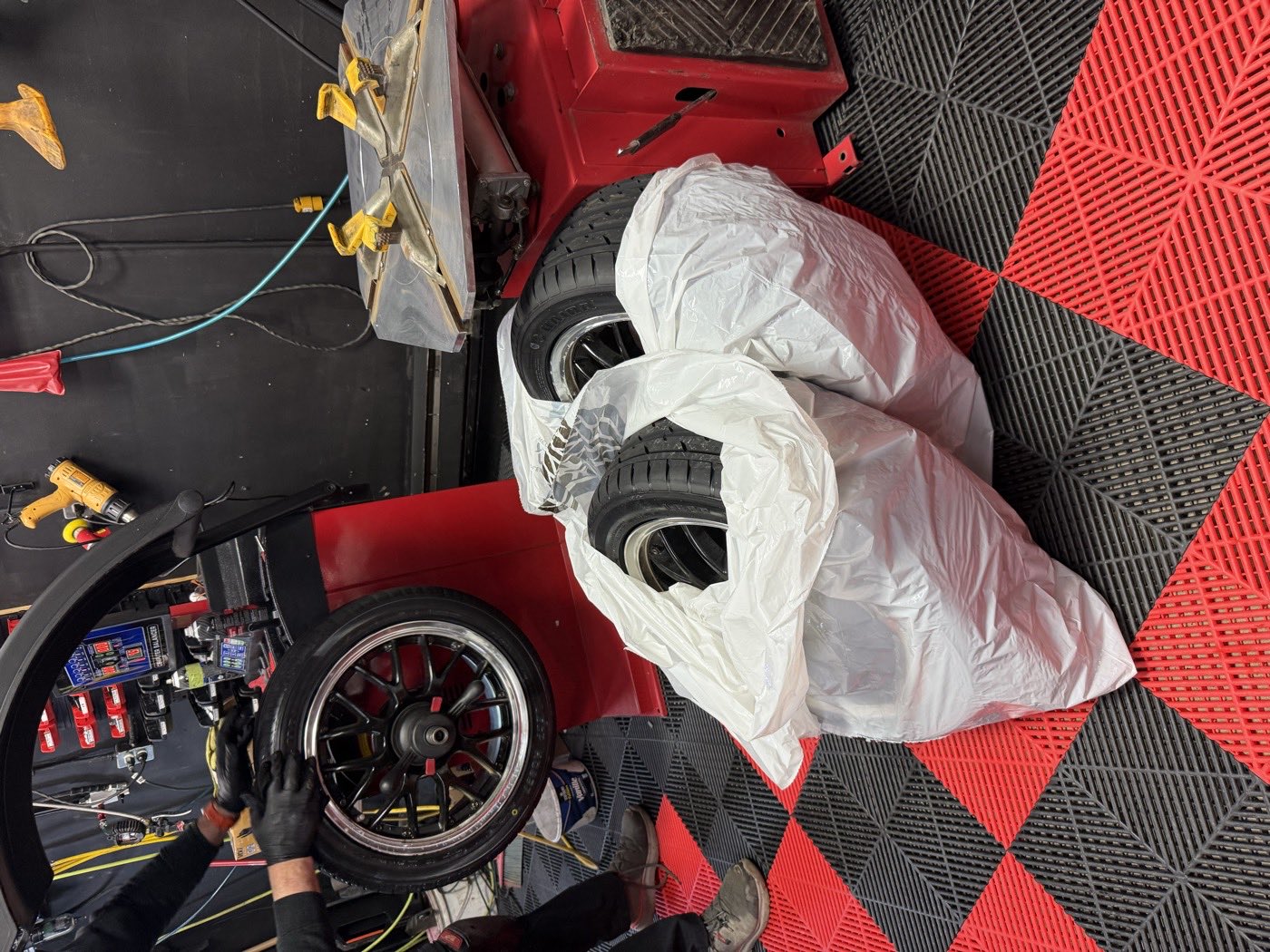
When Should You Put Winter Tires On in New Brunswick?
Book in September, before the first snowfall. Winter tires should go on based on temperature, not snow, because rubber compounds stiffen as it gets cold. Waiting for snow means waiting for the busiest weeks of the year at every tire shop in Fredericton.
Read →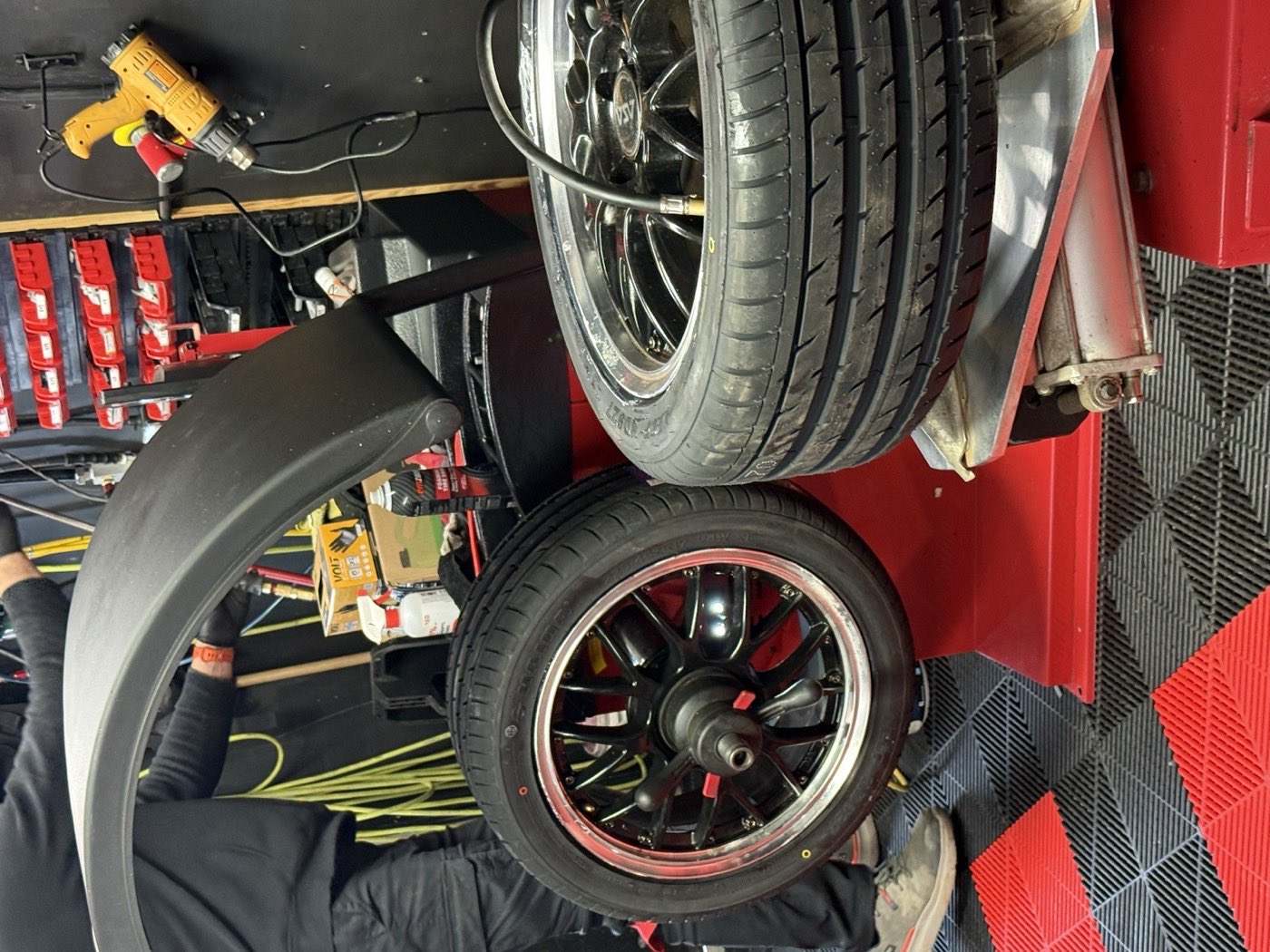
Do You Need 4 Winter Tires or Can You Just Do 2?
You need four. Two winter tires and two all-seasons gives one end of the car more grip than the other, which causes sliding and uneven stopping. On an all-wheel-drive vehicle, mismatched tires also put real strain on the drivetrain. That imbalance is worst in a corner or under hard braking, right when you need grip the most.
Read →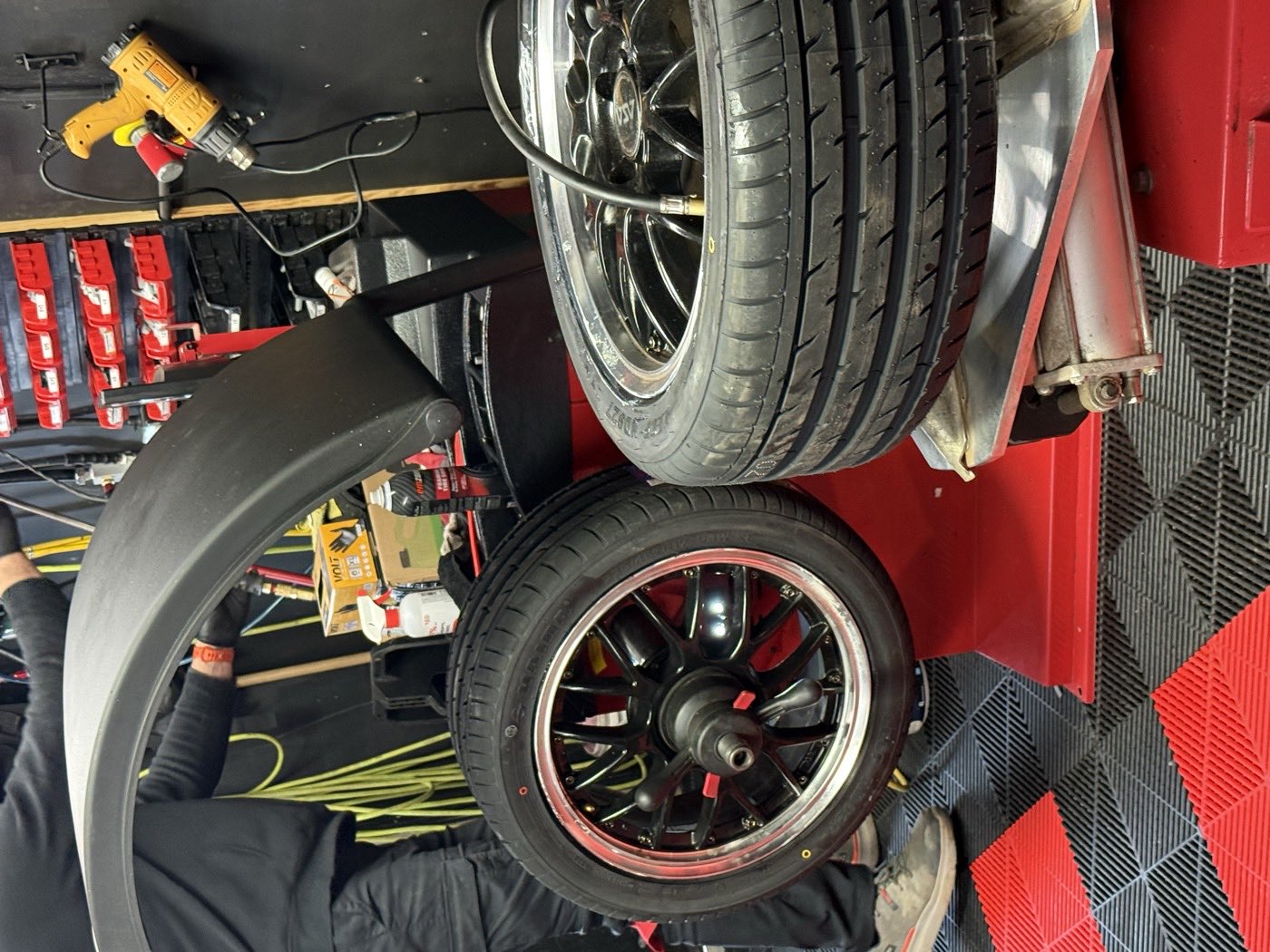
Are Winter Tires Mandatory in New Brunswick?
No. New Brunswick has no law requiring winter tires on passenger vehicles. The only mandatory winter tire rule in the province applies to school buses. Studded tires are permitted between October 15 and May 1, and the legal minimum tread depth is 1.6mm.
Read →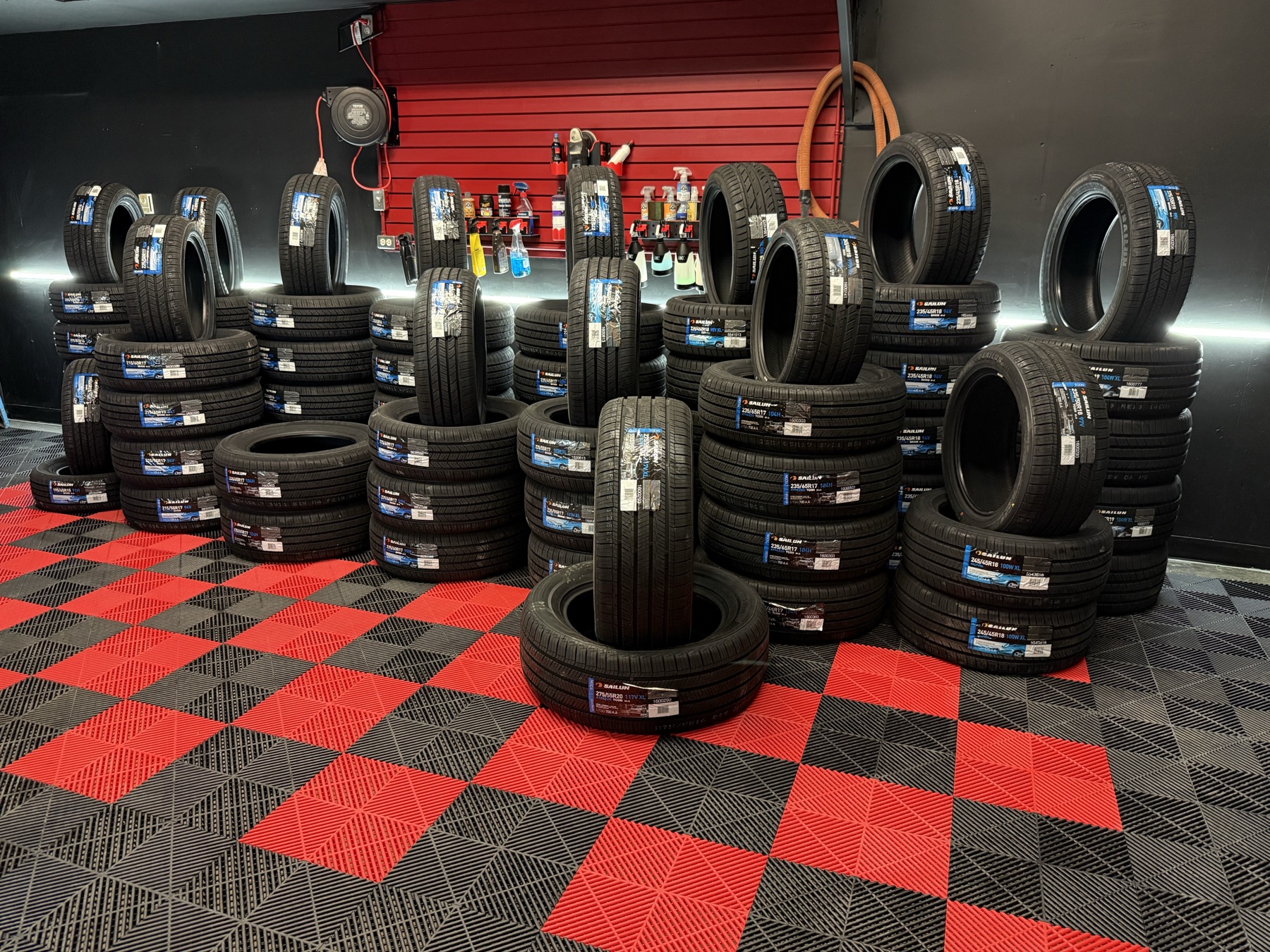
All-Weather vs All-Season Tires: Which Is Right for New Brunswick?
All-season tires are effectively summer tires with a longer name and are not built for real winter. All-weather tires carry the 3PMSF winter certification and can legitimately run year round. Two dedicated sets still beat one set, but if you only want one, all-weather is the one.
Read →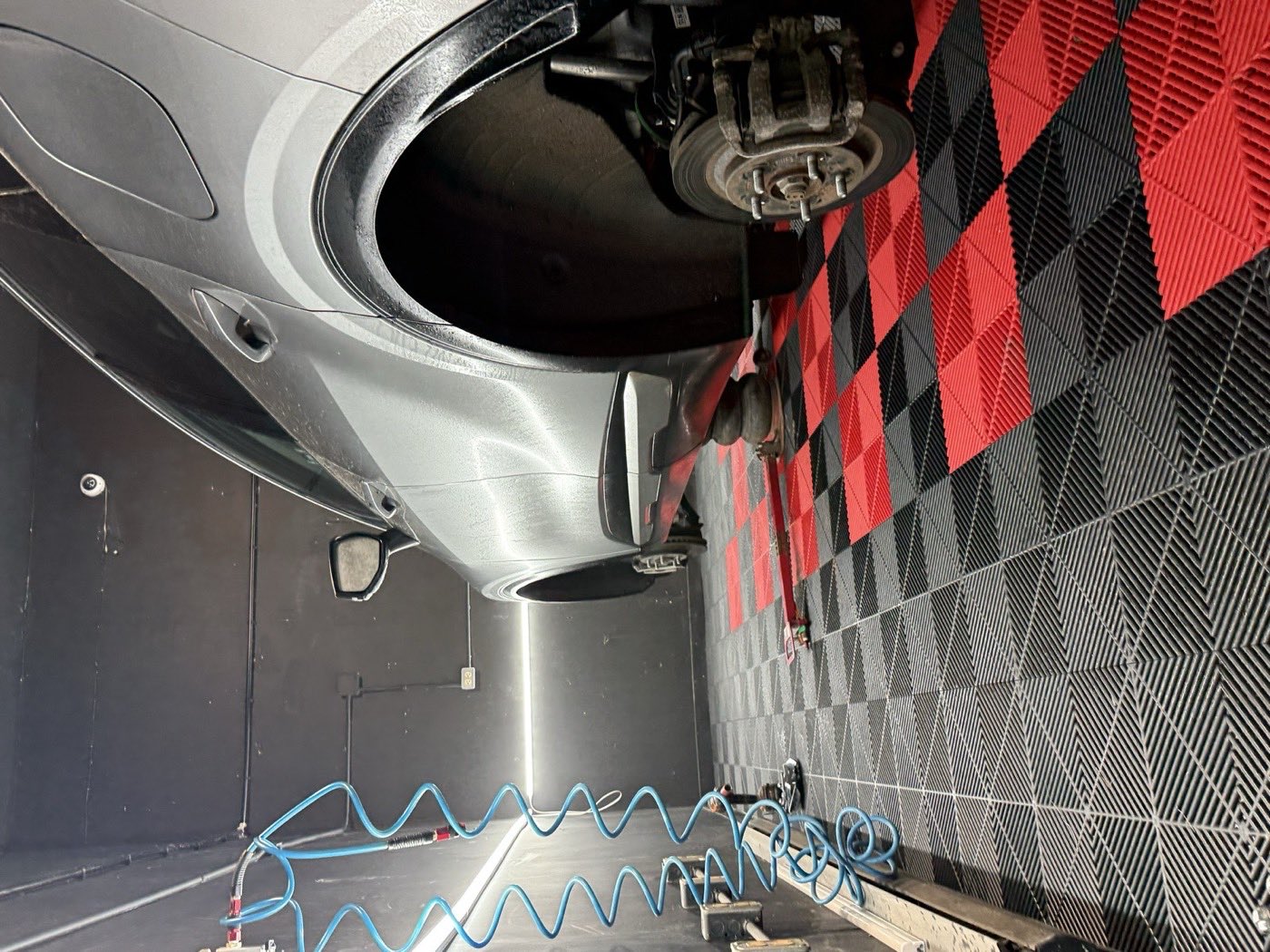
Why Do You Need to Re-Torque Wheels After a Tire Change?
Lug nuts can lose clamping force in the first kilometres after a wheel is installed, as the wheel settles against the hub and the metal beds in. A re-torque at around 100 km catches that before it becomes a loose wheel. It takes minutes and it is free.
Read →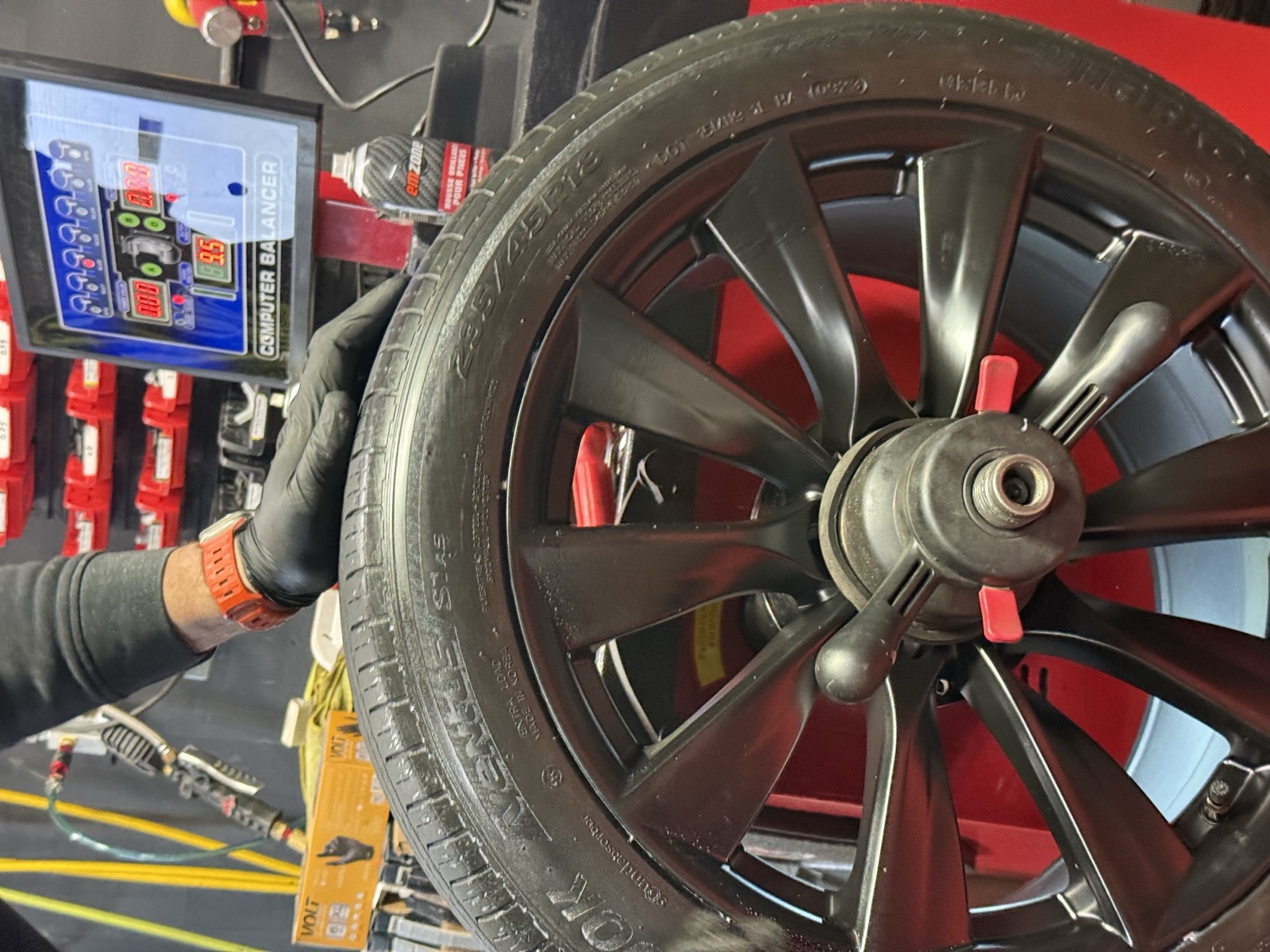
How Long Does a Tire Change Take?
Most vehicles are in and out in about 30 minutes for a full set of four. Small and medium cars usually run close to 30 minutes off the rim. Trucks and larger vehicles take 30 to 40. Tires already on their own rims are quicker still.
Read →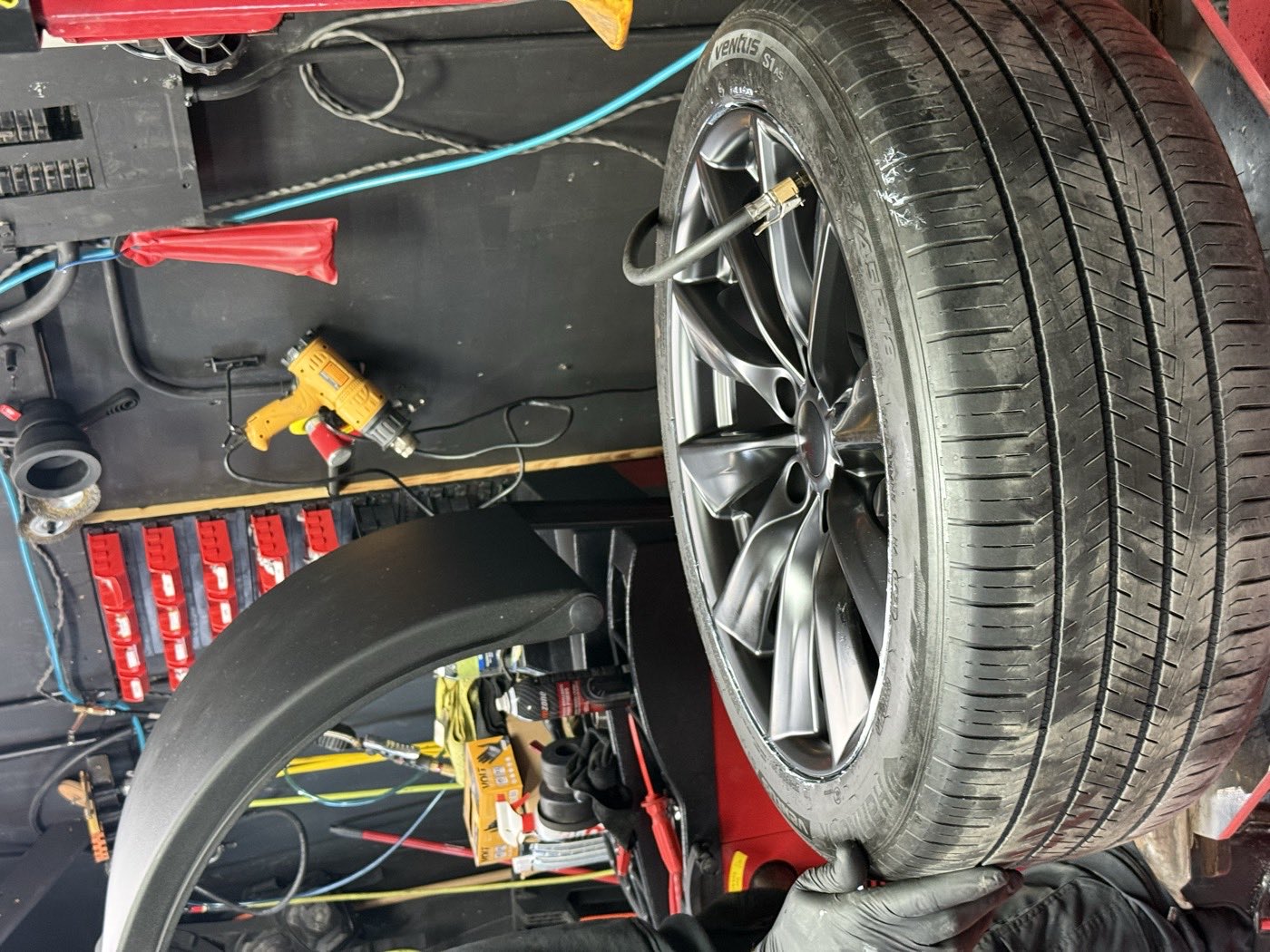
What Does the Tire Pressure Light Mean?
The tire pressure light means your TPMS system has detected a problem. It is almost always one of two things: a tire that is genuinely low on air, or a TPMS sensor that has died. Check your pressures first, because that is the fix that costs nothing.
Read →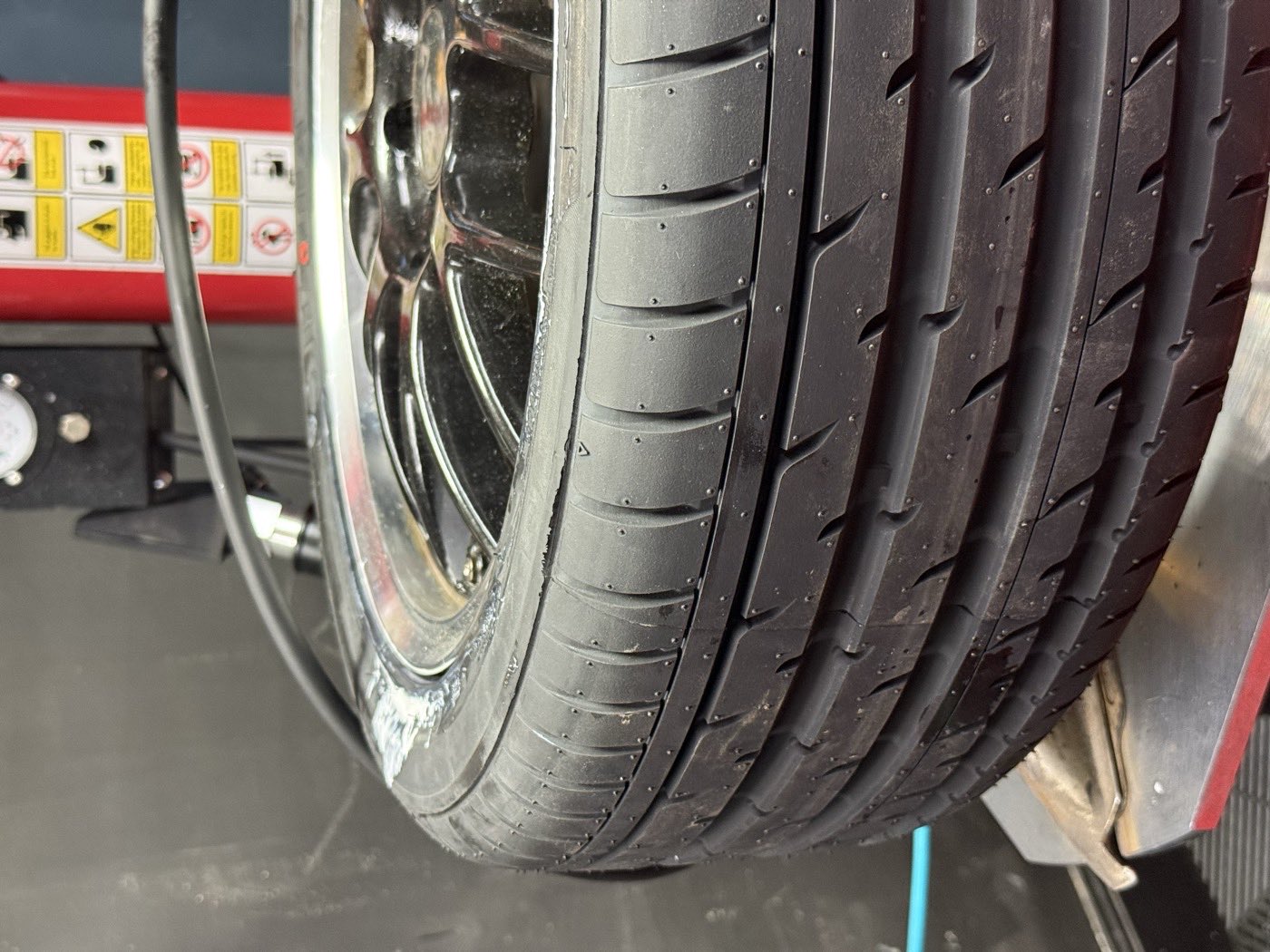
Can I Replace Just One Tire, or Do I Need All Four?
You can replace just one tire only if your other three are in good shape and the new tire's tread depth is within about 2/32 of an inch of them. Otherwise, replace tires in pairs, or as a full set.
Read →Can a Tire Be Patched, or Does It Need Replacing?
Most punctures in the tread area can be patched. A tire needs replacing when the damage is in the sidewall, the puncture is too large, the cut is a slice rather than a hole, the tread is gone, or the wear is uneven enough that the tire is finished anyway.
Read →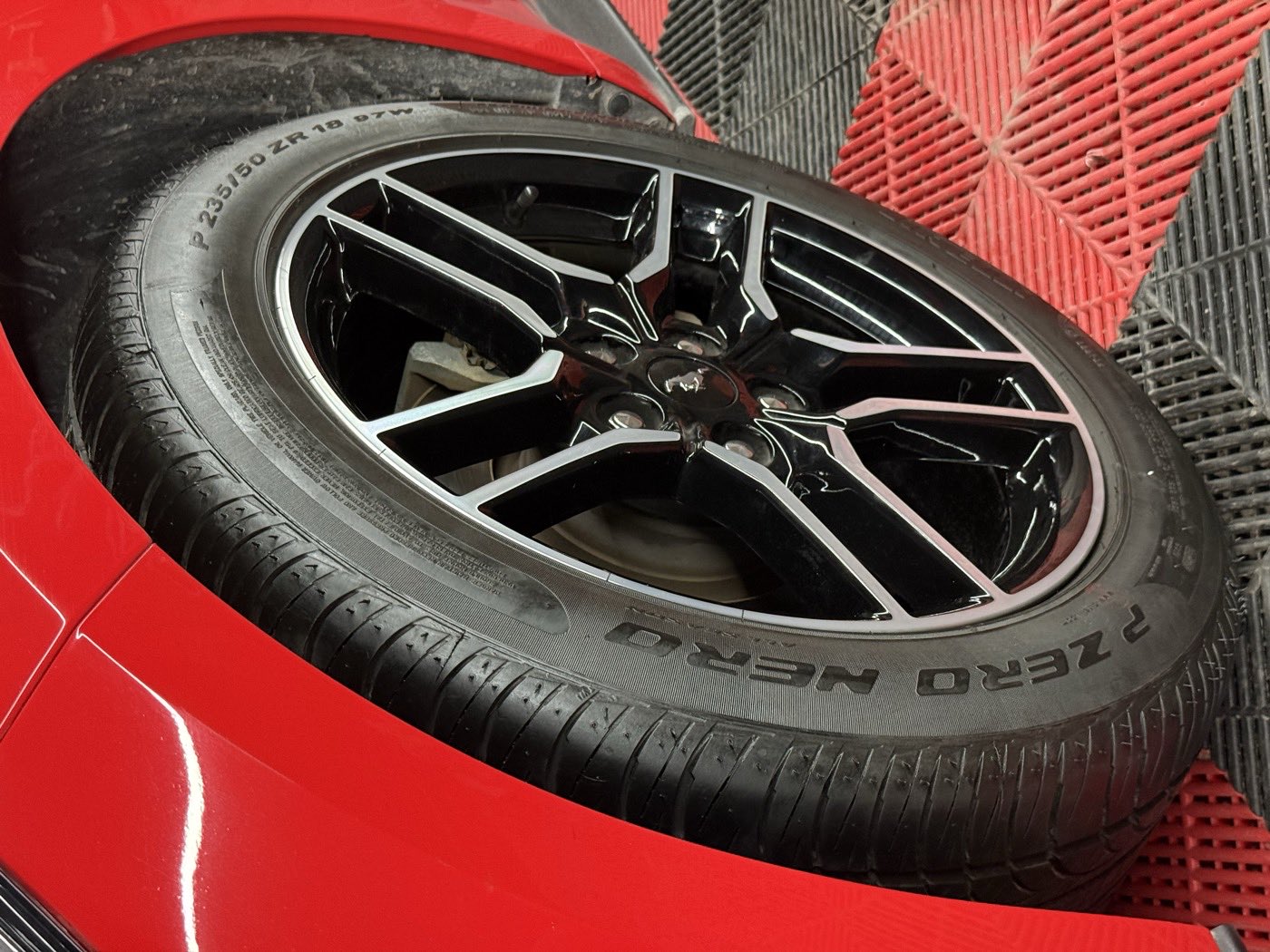
How Do You Read Tire Size on the Sidewall?
Your tire size is the code on the sidewall, like 225/65R17 98H. The first number is width in millimetres, the second is sidewall height as a percentage of that width, R means radial, and the last number is the wheel diameter in inches.
Read →What Tire Pressure Should My Tires Be? (And How to Check It)
Set your tires to the pressure on the sticker in your driver's door jamb, not the number on the tire's sidewall. For most cars and SUVs that is 30 to 35 PSI, checked cold before you drive. The sidewall figure is the tire's maximum safe pressure, a limit rather than the target your car was designed around.
Read →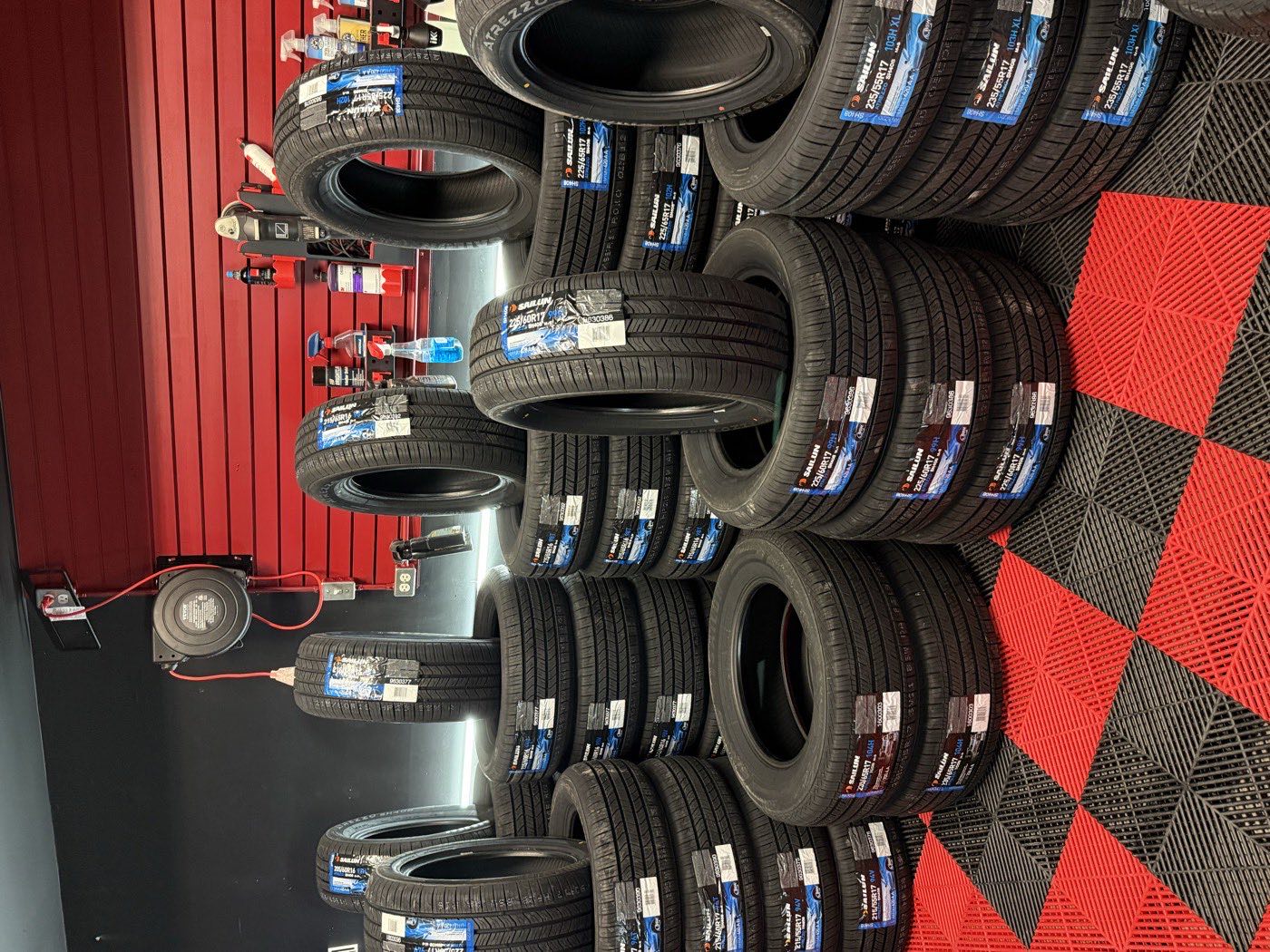
How Much Do New Tires Cost in Fredericton?
Installation at PitStop & Go is a flat published rate: an on-rim seasonal swap starts at $35 for a set of four and an off-rim change at $70, rising by vehicle size. The tires themselves depend on size and brand, so we quote those for your vehicle rather than guess.
Read →Do I Need 2 or 4 Winter Tires? What Fredericton Drivers Should Know
You need four matching winter tires, not two. Fitting winter tires to only one axle leaves one end of the car gripping and the other sliding, which makes the vehicle unpredictable under braking and in corners. Two tires save money today and cost you control on the first icy corner.
Read →