
Can I Replace Just One Tire, or Do I Need All Four?
You can replace just one tire only if your other three are in good shape and the new tire's tread depth is within about 2/32 of an inch of them. Otherwise, replace tires in pairs, or as a full set.
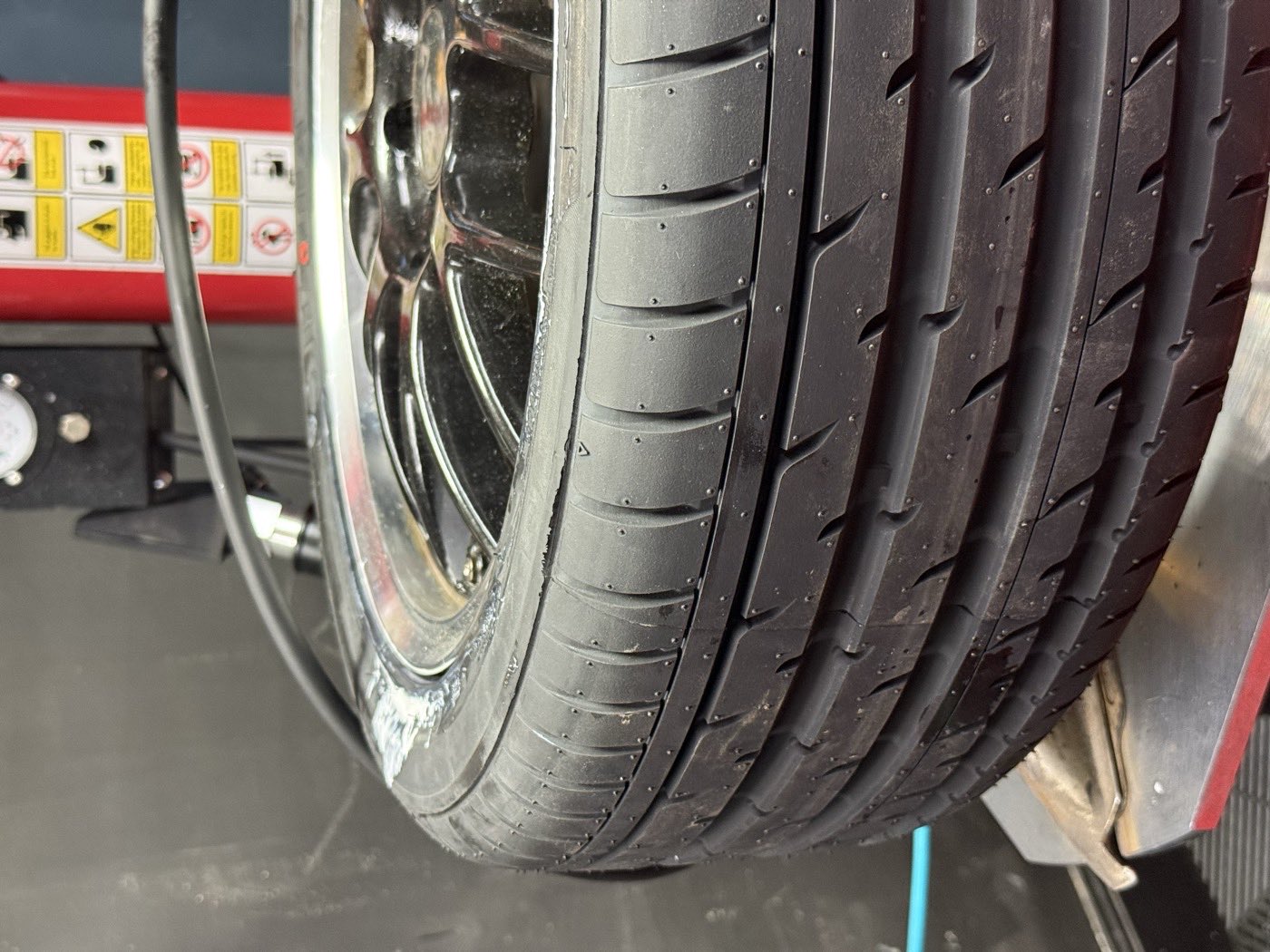
You can replace just one tire only if your other three are in good shape and the new tire's tread depth is within about 2/32 of an inch of them. Otherwise, replace tires in pairs, or as a full set. A brand-new tire is taller than a worn one, and mixing very different sizes hurts handling. On all-wheel drive vehicles, it can even damage the drivetrain. So the honest answer is: sometimes one is fine, but it depends entirely on how worn your other tires are and what drivetrain you have.
This question usually comes up after a flat or a road-hazard blowout, when you are staring down the cost of tires and hoping to buy just one. That instinct is reasonable, and often you can. This guide gives you the simple rule, shows when one, two, or four is the right call, and explains the special case for AWD, so you spend only what you actually need to for a safe result.
What's the short answer?
It depends on how worn your other three tires are. If they are nearly new, replacing one is usually fine. If they are partway through their life, replace in pairs. The deciding measurement is tread depth: keep all four within about 2/32 of an inch of each other.
This same matching principle is why a winter set should stay a full set too: see the matched-set winter tire guidance for Fredericton.
- Tires nearly new? Replacing one is usually fine.
- Tires moderately/heavily worn? Replace in pairs (or all four).
- The rule: keep all tire tread depths within about 2/32" of each other.
- Only replacing two? New tires go on the rear axle.
- AWD / 4WD? Usually replace all four (or shave the new one to match).
How Many Tires Should You Replace?
One, two, or four, depending on the wear on the tires you are keeping and what drivetrain you have. Nearly-new tires take one. Partly worn tires take a matched pair on an axle. Heavily worn sets and most all-wheel-drive vehicles take all four. The table below covers each case.
| Your situation | Replace | Why |
|---|---|---|
| Other 3 tires nearly new, tread within ~2/32" | 1 tire | New tire matches; no meaningful size mismatch |
| Two tires worn, two okay | 2 tires (rear) | Keeps each axle matched; new pair goes on rear |
| All four moderately/heavily worn | 4 tires | Big depth gap makes mixing unsafe |
| All-wheel drive / four-wheel drive | 4 tires (or shave new one) | Uneven diameters strain the AWD system |
| Mismatched brand/size already | Match by pair or set | Different tires grip differently and reduce stability |
How close do tread depths have to be?
Tires wear down as you drive, so a used tire is physically shorter than a new one of the same size. Pair a tall new tire with short worn ones and the rolling diameters differ. Keep all four within roughly 2/32 of an inch and mixing new with used is fine; outside that, replace in pairs.
Your tire shop can measure this in seconds with a tread gauge.
1. If Your Other Tires Are Nearly New: Replace One
Got a flat on a set that is only a few months old? Replacing the single damaged tire is usually the right, economical choice, because the new tire will closely match the tread depth of the others.
Why it matters: Replacing four nearly-new tires because one was damaged wastes hundreds of dollars for no safety benefit.
2. If Your Tires Are Worn: Replace in Pairs
Once your tires are partway through their life, adding one brand-new tire creates too big a depth difference. The fix is to replace two at a time so at least each axle is matched.
Why it matters: Matched pairs on an axle keep braking and cornering even, which protects handling in the wet.
3. Always Put New Tires on the Rear
When you replace only two, the new (deeper-tread) tires go on the rear, even on a front-wheel-drive car. Deeper tread at the back keeps the rear planted and helps prevent the car from fishtailing in the rain.
Why it matters: New tires on the front and worn ones on the back is a common mistake that makes a car far more likely to spin in the wet.
4. AWD and 4WD: Usually All Four
All-wheel-drive systems are sensitive to differences in tire diameter. Even a small mismatch forces the differentials and transmission to work harder and, over time, can cause expensive damage. All-wheel-drive systems generally need all four tires within a tight tread-depth range. Your options are to replace all four, or buy one new tire and have it shaved to match the others' depth.
Why it matters: A single mismatched tire can cost you a drivetrain repair worth many times the price of matching your tires. Always check your owner's manual for the limit.
First: Can the Tire Be Repaired Instead?
We can check whether it qualifies for repair before you spend on a replacement.
Before buying anything, have the damaged tire inspected. Punctures in the tread area (roughly the middle three-quarters) can often be safely repaired for a fraction of a new tire's cost. Sidewall damage, large holes, or a tire run flat usually can't be repaired and must be replaced. A quick inspection can save you from buying a tire you didn't need.
How does PitStop & Go help you buy only what you need?
We measure your tread depths and inspect the damaged tire first, then tell you whether you need one, two, or four. If a repair will do, we repair it from $45. If you need tires, we mount and balance at flat rates, seven days a week in Fredericton.
Whichever count you land on, the published Fredericton tire change rates cover the fitting by vehicle size.
For AWD vehicles we help you match tread depth so you protect the drivetrain.
Key takeaways
- You can replace just one tire if the other three are nearly new (tread within ~2/32").
- If your tires are worn, replace in pairs; if all four are worn, replace the set.
- When replacing two, the new tires go on the rear for wet-weather stability.
- AWD/4WD vehicles usually need all four (or the new tire shaved to match).
- Get the damaged tire inspected first; many punctures are repairable for far less than a new tire.
Frequently Asked Questions
Can I replace just one tire?
You can replace just one tire only if your other three are in good shape and the tread depth of the new tire is within about 2/32 of an inch of them. A new tire is taller than a worn one, so pairing it with heavily worn tires creates a size mismatch that hurts handling and, on all-wheel drive, can damage the drivetrain. If your other tires are moderately or heavily worn, it is safer to replace them in pairs or as a full set.
Do I need to replace all four tires at once?
Not always. Front-wheel and rear-wheel drive vehicles can often be fine with one or two new tires if the tread depths stay close. All-wheel drive and four-wheel drive vehicles usually need all four replaced together, or the new tire shaved to match, because uneven tire diameters make the AWD system work harder and can cause expensive damage. Check your owner's manual for your vehicle's specific limit.
Where do new tires go if I only replace two?
When you replace only two tires, the new pair goes on the rear axle, regardless of whether the car is front- or rear-wheel drive. New tires on the back give the vehicle more stability and reduce the chance of the rear sliding out (fishtailing) in the wet. Your tire shop should mount the deeper-tread tires on the rear as standard practice.
How different can tire tread depths be?
As a rule of thumb, keep tread depths within about 2/32 of an inch of each other, especially on all-wheel drive vehicles. A larger gap means the tires are different diameters, which affects handling and, on AWD, strains the differentials. If the difference is too large to safely mix, replace tires in pairs or a full set, or have a single new tire shaved to match.
Is it bad to mix a new tire with old tires?
Mixing a new tire with worn tires is fine if the tread depths are close, but bad if they are not. Beyond depth, all your tires should ideally match in brand, model, and size. Big mismatches in tread pattern or size make the vehicle less stable because the tires grip differently, so matching matters as much as tread depth.
What if I have a flat but my tires are nearly new?
If your tires are nearly new and one is damaged beyond repair, replacing that single tire is usually fine because the new tire will closely match the others' tread depth. First have the damaged tire inspected: many punctures in the tread area can be safely repaired for far less than a new tire, while sidewall damage means replacement.
---
Not sure if you need one tire or four? PitStop & Go measures your tread, inspects the damage, and gives you a straight answer with no upsells, seven days a week in Fredericton. Book a Tire Check.
---
Frequently asked questions
Can I replace just one tire?
You can replace just one tire only if your other three are in good shape and the tread depth of the new tire is within about 2/32 of an inch of them. A new tire is taller than a worn one, so pairing it with heavily worn tires creates a size mismatch that hurts handling and, on all-wheel drive, can damage the drivetrain. If your other tires are moderately or heavily worn, it is safer to replace them in pairs or as a full set.
Do I need to replace all four tires at once?
Not always. Front-wheel and rear-wheel drive vehicles can often be fine with one or two new tires if the tread depths stay close. All-wheel drive and four-wheel drive vehicles usually need all four replaced together, or the new tire shaved to match, because uneven tire diameters make the AWD system work harder and can cause expensive damage. Check your owner's manual for your vehicle's specific limit.
Where do new tires go if I only replace two?
When you replace only two tires, the new pair goes on the rear axle, regardless of whether the car is front- or rear-wheel drive. New tires on the back give the vehicle more stability and reduce the chance of the rear sliding out (fishtailing) in the wet. Your tire shop should mount the deeper-tread tires on the rear as standard practice.
How different can tire tread depths be?
As a rule of thumb, keep tread depths within about 2/32 of an inch of each other, especially on all-wheel drive vehicles. A larger gap means the tires are different diameters, which affects handling and, on AWD, strains the differentials. If the difference is too large to safely mix, replace tires in pairs or a full set, or have a single new tire shaved to match.
Is it bad to mix a new tire with old tires?
Mixing a new tire with worn tires is fine if the tread depths are close, but bad if they are not. Beyond depth, all your tires should ideally match in brand, model, and size. Big mismatches in tread pattern or size make the vehicle less stable because the tires grip differently, so matching matters as much as tread depth.
Book your visit at PitStop & Go
300 Wilsey Road #1, Fredericton, New Brunswick E3B 5J1 · (506) 248-6006