
Winter Tires for EVs: What Changes
An EV asks more of a tire than a comparable petrol car. Load rating and wear rate are the two things that catch owners out.
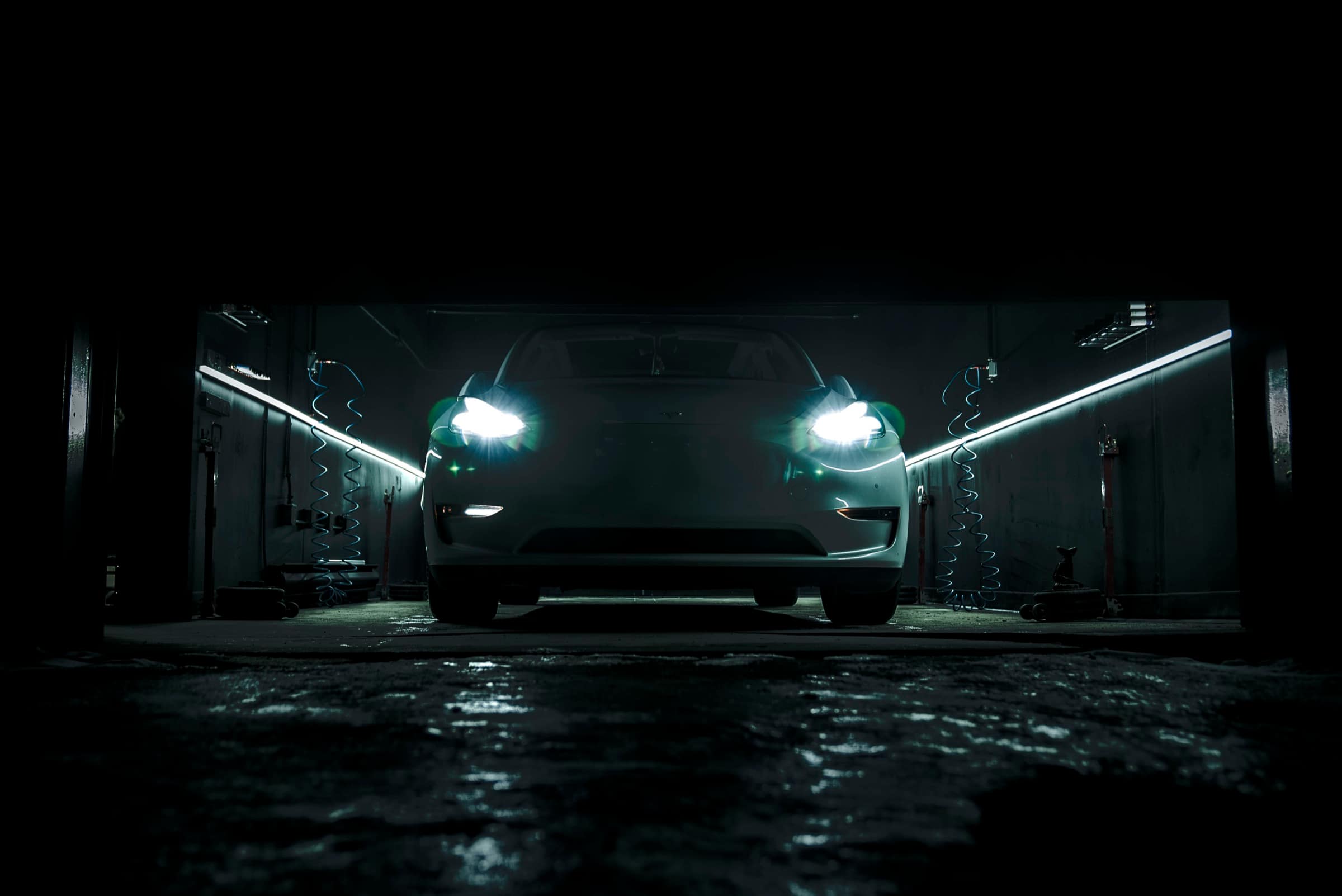
An electric vehicle asks different things of a tire. Three differences matter for winter.
1. Weight
A battery pack is heavy. An EV is commonly 20 to 30 percent heavier than a comparable petrol car.
That weight has to be carried by the tires, and it changes the load index requirement. The load index is the number after the tire size, and it must meet or exceed what the vehicle placard specifies.
This is where EV owners get caught. A tire in the right size may be available at a lower load index, intended for a lighter car. It will physically fit. It is not rated for the vehicle, and an overloaded tire runs hot, which is what causes failures at speed.
Check the door jamb placard and match or exceed the load index. On an EV this is the single most important specification.
2. Instant torque
Electric motors deliver maximum torque from a standstill. That is pleasant in summer and a liability on a slippery road, because it is very easy to overwhelm the available grip from a stop.
Traction control handles most of this, but the tire is doing the work. A winter tire's compound and siping are what let that torque reach the road at all on snow.
The torque also accelerates wear. Combined with the extra weight, expect a set of tires on an EV to wear faster than the same set on a petrol car of similar size. Rotation matters more here, not less.
3. No engine noise
With no combustion engine masking it, tire roar is the dominant sound in an EV cabin. A tire that is acceptably quiet in a petrol car can be intrusive in an electric one.
Winter tires are generally noisier than summer tires because of the open tread pattern, and studded tires more so again. Worth factoring into the choice if cabin noise matters to you.
EV specific tires
Several manufacturers now make tires designed for electric vehicles. They typically feature:
- Higher load capacity in a given size
- Reinforced construction for the weight and torque
- Lower rolling resistance to protect range
- Foam inside the cavity in some models to reduce road noise
- Compounds formulated for longer life under high torque
They are a real thing, not a badge. They also cost more and the selection in winter patterns is narrower than in all season.
They are not mandatory. A conventional winter tire with the correct load index is a perfectly valid choice and is what many EV owners run.
Range in winter
Expect a meaningful range reduction in a New Brunswick winter. Several things contribute:
- Battery chemistry is less efficient when cold
- Cabin heating draws significant power
- Winter tires have higher rolling resistance than all seasons
You cannot do much about the first two. You can about the third, partly.
Keep pressures correct. Underinflation increases rolling resistance, and cold weather drops pressure about 1 PSI for every 5 degrees Celsius. A set that was right in October is genuinely low in January. This is the least expensive range you will recover all winter.
Precondition while plugged in where your vehicle supports it, so cabin and battery heating comes from the wall rather than the pack.
Practical notes for EV owners
Jacking points. EVs have specific lift points, and a battery pack underneath that must not be contacted. Any shop working on your car needs to know where they are. We do.
Wheel weight. Many EVs come with aerodynamic covers over the wheels. If you are building a winter set, those usually do not transfer, and a plainer wheel will cost a little range.
TPMS. Same as any modern vehicle. Sensors in the second set, relearned at changeover.
Torque spec. Heavier vehicles often have higher wheel torque specs, and re torquing after about 100 km matters just as much as on anything else.
Bring us the vehicle and year and we will size a winter set with the correct load index for the actual weight, rather than the size that happens to fit.
Frequently asked questions
Do EVs need special winter tires?
Not a separate category, but the load index has to suit the extra weight, and EV specific tires exist that address wear and noise. A correctly rated conventional winter tire is a valid choice.
Do EV tires wear faster?
Generally yes. The extra weight and instant torque increase wear, so expect shorter life than the same tire on a comparable petrol car.
Does winter reduce EV range?
Yes, and tires are part of it. Winter tires have higher rolling resistance, and cold itself reduces battery performance. Correct inflation is the cheapest way to limit the loss.
Related
Book your visit at PitStop & Go
300 Wilsey Road #1, Fredericton, New Brunswick E3B 5J1 · (506) 248-6006